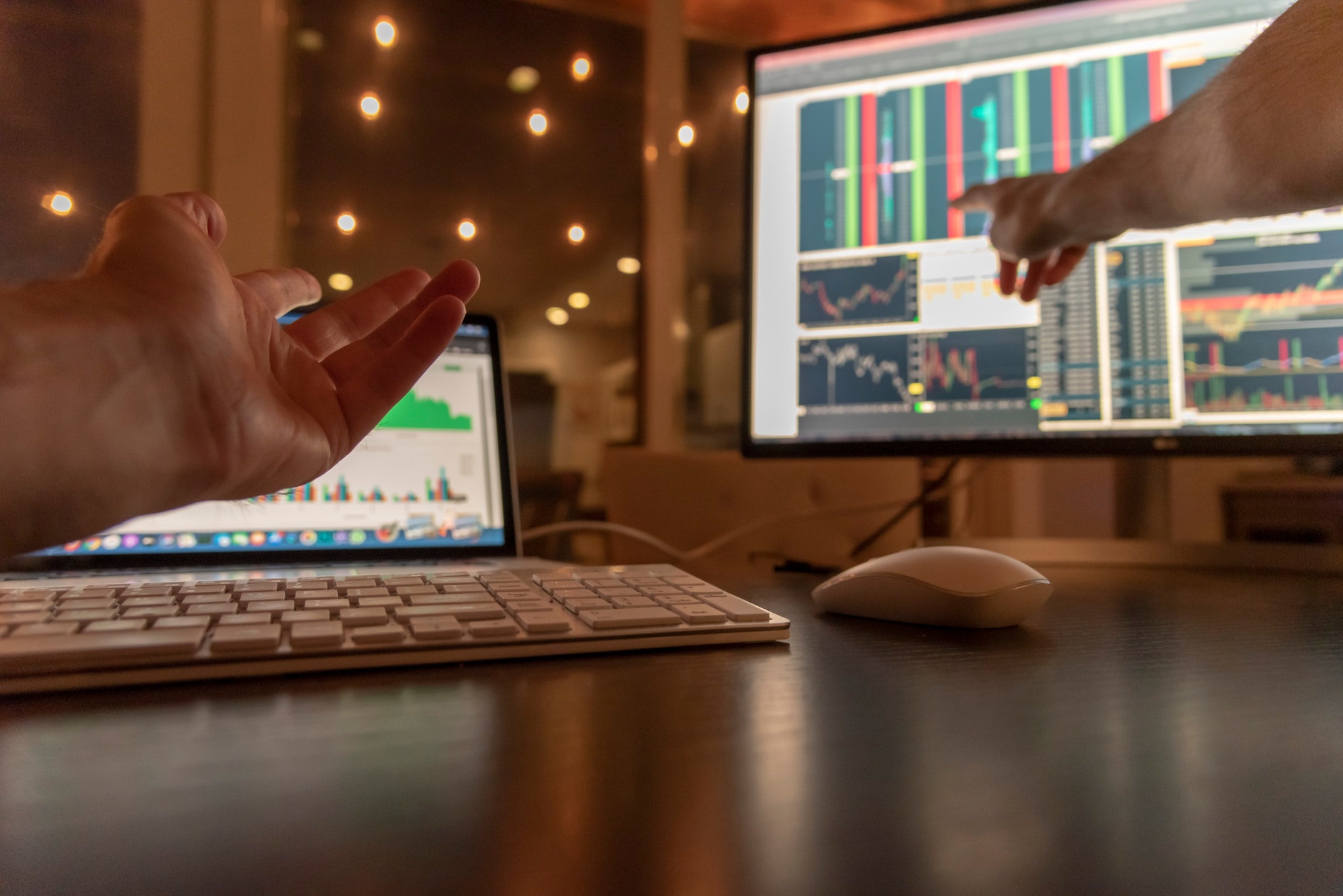
Day trading has gained significant popularity as more individuals explore short-term market opportunities. Unlike long-term investing, day trading involves buying and selling financial instruments within the same trading day, aiming to capitalize on small price movements. While the concept may seem straightforward, success in day trading depends heavily on using the right platform. Trading software serves as the trader’s primary tool, providing access to real-time data, technical indicators, and order execution systems.
For beginners, navigating different trading platforms can feel overwhelming due to the variety of features, fees, and interfaces available. Choosing the right platform requires understanding personal trading goals, experience level, and preferred asset classes.
Learning how day trading platforms work and what features truly matter helps new traders approach the financial markets with clarity and confidence.
What Is a Day Trading Platform?
A day trading platform is software that allows traders to buy and sell financial instruments such as stocks, forex, options, or cryptocurrencies in real time.
These platforms provide market charts, technical analysis tools, and order management systems. Fast execution speeds are essential for short-term strategies.
Within essential finance and active trading platform comparison insights, understanding core platform functions helps beginners avoid costly mistakes.
Reliable performance supports timely decision-making.
Key Features to Look For
Successful day traders rely on advanced charting tools, customizable indicators, and fast trade execution.
Access to Level II market data, risk management settings, and mobile compatibility also enhance flexibility.
Within practical online trading software and investment strategy optimization guides, feature evaluation ensures platforms match trading styles.
User-friendly interfaces reduce learning curves.
Fees and Commission Structures
Different platforms charge varying commission rates and transaction fees. Some offer commission-free trading with alternative revenue models.
Hidden fees such as inactivity charges or withdrawal costs should also be considered.
Transparent pricing improves long-term profitability.
Comparing fee structures prevents unexpected expenses.
Security and Regulation
Security remains critical in financial trading. Reputable platforms operate under regulatory authorities and implement encryption protocols.
Two-factor authentication and account protection features safeguard funds.
Compliance with financial regulations increases trust.
Secure systems protect traders from fraud.
Demo Accounts and Educational Resources
Many platforms provide demo accounts for beginners to practice without risking real capital.
Educational materials such as webinars, tutorials, and market analysis reports support skill development.
Within reliable finance and active trading platform comparison insights, practice tools improve confidence before live trading.
Continuous learning strengthens strategy execution.
Matching the Platform to Your Trading Style
Scalpers, swing traders, and algorithmic traders require different platform features.
Customization options and integration with third-party tools enhance performance.
Choosing a platform aligned with individual strategies increases efficiency.
Personal preferences influence long-term satisfaction.
Conclusion
Day trading platforms play a crucial role in shaping a trader’s experience and overall performance in the financial markets. By understanding essential features such as real-time data access, charting tools, execution speed, and fee structures, beginners can select platforms that align with their strategies and risk tolerance. Security, regulatory compliance, and access to educational resources further enhance reliability and confidence. Demo accounts allow new traders to practice before committing capital, reducing potential mistakes. Ultimately, choosing the right day trading platform simplifies the learning process and supports informed decision-making. With the proper tools and preparation, aspiring traders can navigate short-term market opportunities more effectively and responsibly.