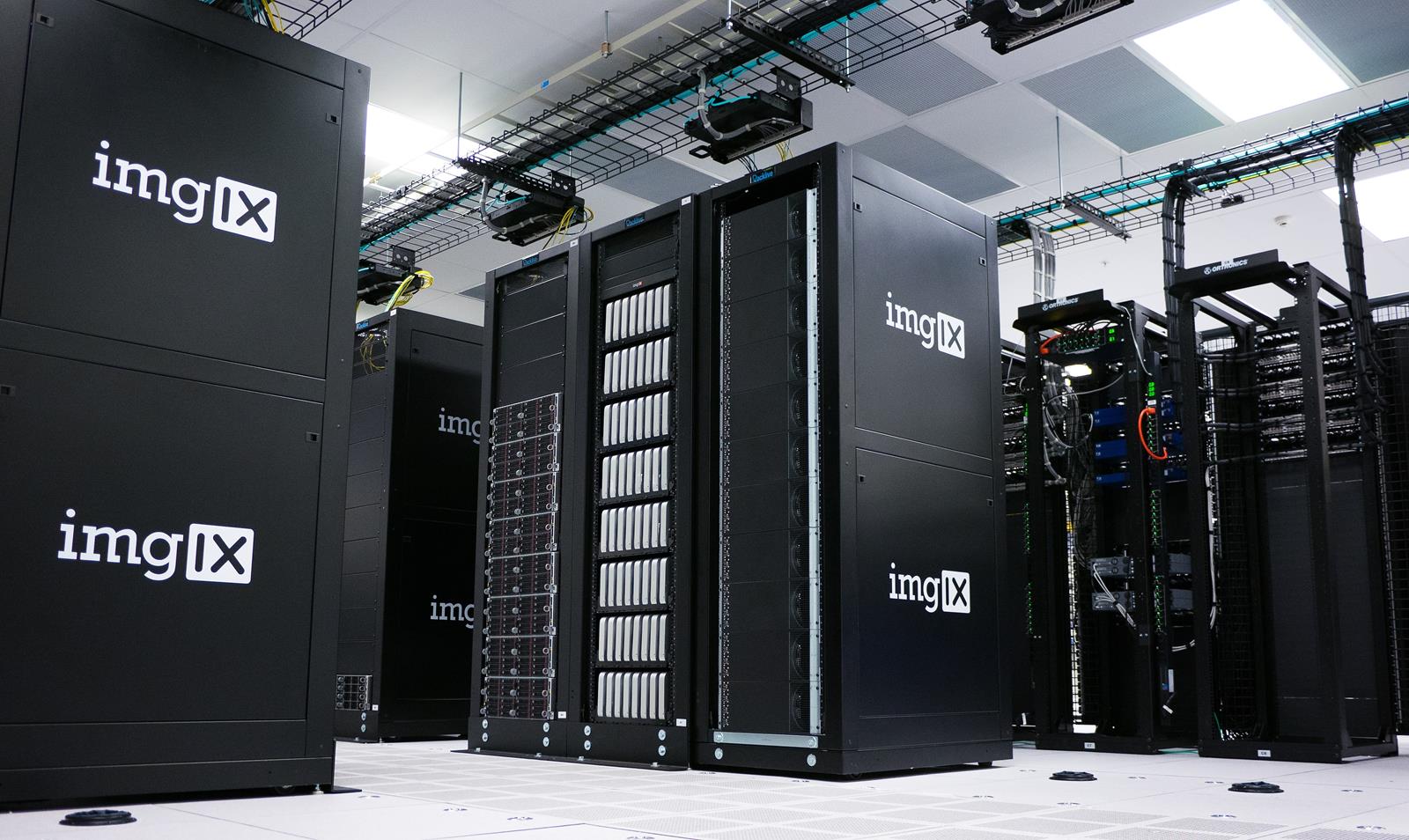
Technology has become a defining force in nearly every professional field. From healthcare and engineering to finance and education, experts increasingly rely on advanced tools and digital systems to improve accuracy, efficiency, and decision-making. The rapid pace of innovation has transformed traditional workflows, allowing professionals to analyze data faster, communicate globally, and automate repetitive tasks.
Experts prefer technology not simply because it is modern, but because it enhances performance and reduces human error. Digital platforms provide real-time insights, streamline collaboration, and support strategic planning. In competitive industries, staying updated with technological advancements often determines success and long-term relevance.
Understanding why experts gravitate toward technology reveals how innovation drives productivity, problem-solving, and continuous improvement in modern professional environments.
Increased Efficiency and Productivity
One of the primary reasons experts prefer technology is improved efficiency. Automation tools reduce time spent on repetitive administrative tasks.
Digital systems process large amounts of data within seconds, allowing professionals to focus on strategic decisions.
Within evolving technology adoption and professional performance optimization insights, efficiency gains directly impact output quality.
Time-saving solutions enhance overall productivity.
Data-Driven Decision Making
Technology provides access to real-time analytics and performance metrics. Experts rely on data to identify trends and evaluate outcomes.
Advanced software enables predictive modeling and scenario analysis.
Within structured innovation and digital transformation strategies for businesses, data-driven insights reduce uncertainty.
Accurate information supports informed planning.
Enhanced Communication and Collaboration
Modern tools facilitate global collaboration through video conferencing, cloud storage, and project management platforms.
Experts can coordinate across time zones without delays.
Digital communication platforms reduce barriers and improve teamwork.
Collaboration tools strengthen organizational efficiency.
Improved Accuracy and Reduced Errors
Technology minimizes human error through automated calculations and standardized processes.
In fields such as medicine and engineering, precision is critical.
Advanced diagnostic tools and simulation software increase reliability.
Accuracy improvements enhance professional credibility.
Continuous Learning and Skill Development
Technology enables access to online training platforms, webinars, and research databases.
Experts can update their knowledge quickly as industries evolve.
Within practical technology adoption and professional performance optimization insights, continuous learning remains essential.
Adaptability ensures long-term relevance.
Competitive Advantage and Innovation
Organizations leveraging advanced technology often outperform competitors. Innovation supports new product development and improved services.
Experts use cutting-edge tools to identify emerging opportunities.
Within broader innovation and digital transformation strategies for businesses, technological integration drives growth.
Early adoption fosters leadership within industries.
Conclusion
Experts prefer technology because it enhances efficiency, accuracy, collaboration, and strategic decision-making. By leveraging data-driven tools and automated systems, professionals can reduce errors, streamline operations, and focus on innovation. Access to advanced communication platforms and continuous learning resources further strengthens expertise in rapidly evolving industries. Technology not only supports productivity but also creates competitive advantages that shape long-term success. As digital transformation continues to redefine professional environments, embracing innovation remains essential for maintaining relevance and achieving sustained growth. Ultimately, technology empowers experts to perform at higher levels while adapting to the dynamic demands of modern industries.