Hair transplant procedures have become increasingly popular in the UK as more individuals seek long-term solutions for hair loss. Advances in medical technology and refined surgical techniques have significantly improved success rates and natural-looking results. Whether caused by genetics, hormonal changes, or medical conditions, hair thinning can affect confidence and self-image, leading many to explore professional treatment options.
In the UK, reputable clinics offer modern methods such as Follicular Unit Extraction (FUE) and Direct Hair Implantation (DHI), both designed to deliver precise and minimally invasive outcomes. However, achieving successful results depends not only on the procedure itself but also on selecting qualified surgeons and following proper aftercare.
Understanding how successful hair transplant procedures work in the UK helps individuals make informed decisions and set realistic expectations for long-term hair restoration.
Popular Hair Transplant Techniques in the UK
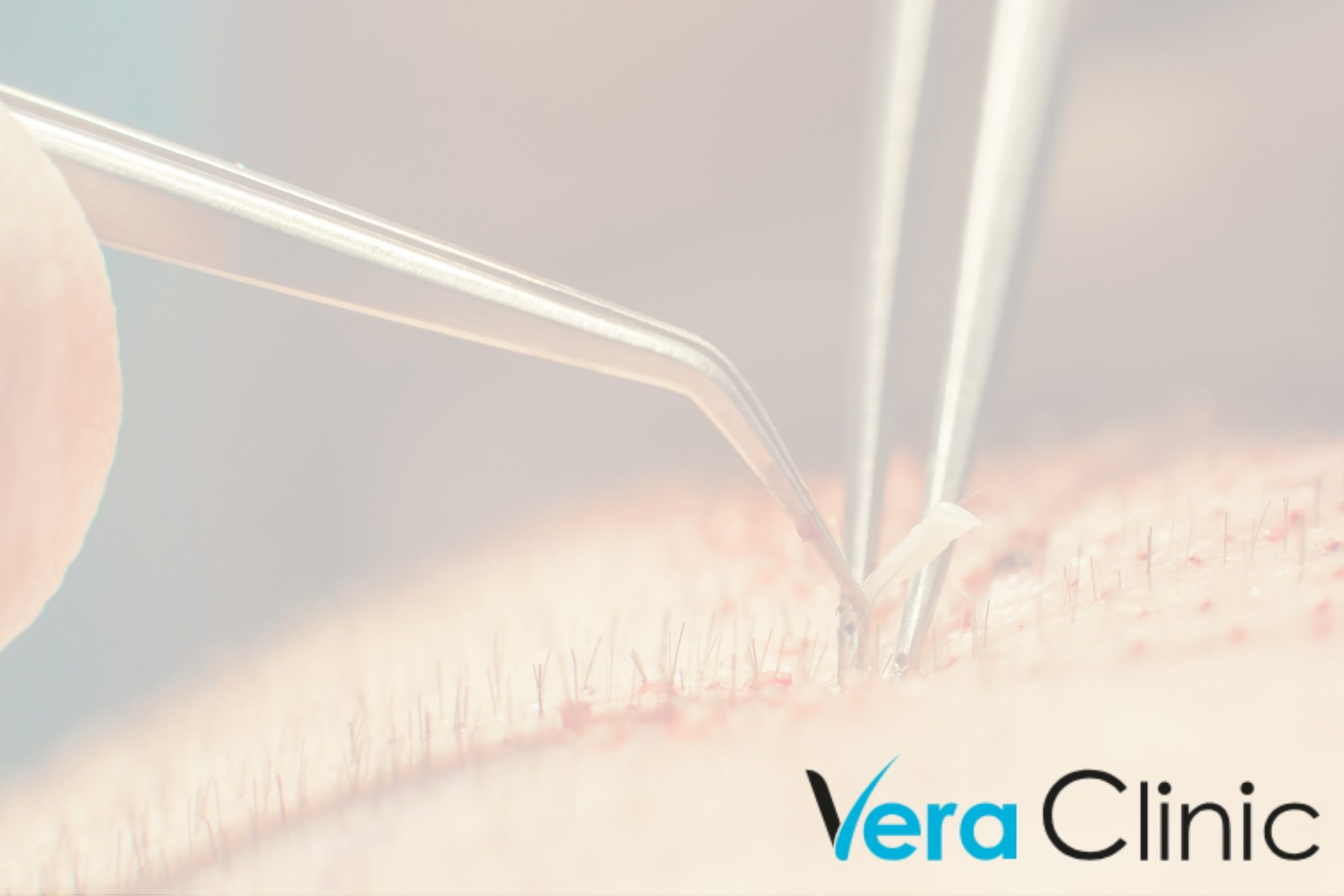
Two of the most common techniques offered in the UK are FUE and FUT (Follicular Unit Transplantation). FUE involves extracting individual hair follicles and implanting them into thinning areas.
FUT, also known as the strip method, removes a small section of scalp for follicle extraction. Each technique has unique advantages depending on hair loss patterns.
Within professional beauty and cosmetic hair restoration treatment insights, choosing the right technique is crucial for optimal outcomes.
Consultation determines suitability based on individual conditions.
Importance of Choosing a Qualified Clinic
Successful results heavily depend on surgeon experience and clinic standards. Board-certified professionals follow strict medical guidelines.
Researching credentials, patient reviews, and before-and-after photos ensures credibility.
Within trusted UK aesthetic clinic and advanced hair transplant services, professional oversight guarantees safety and compliance.
Thorough consultation improves personalized planning.
The Consultation and Assessment Process
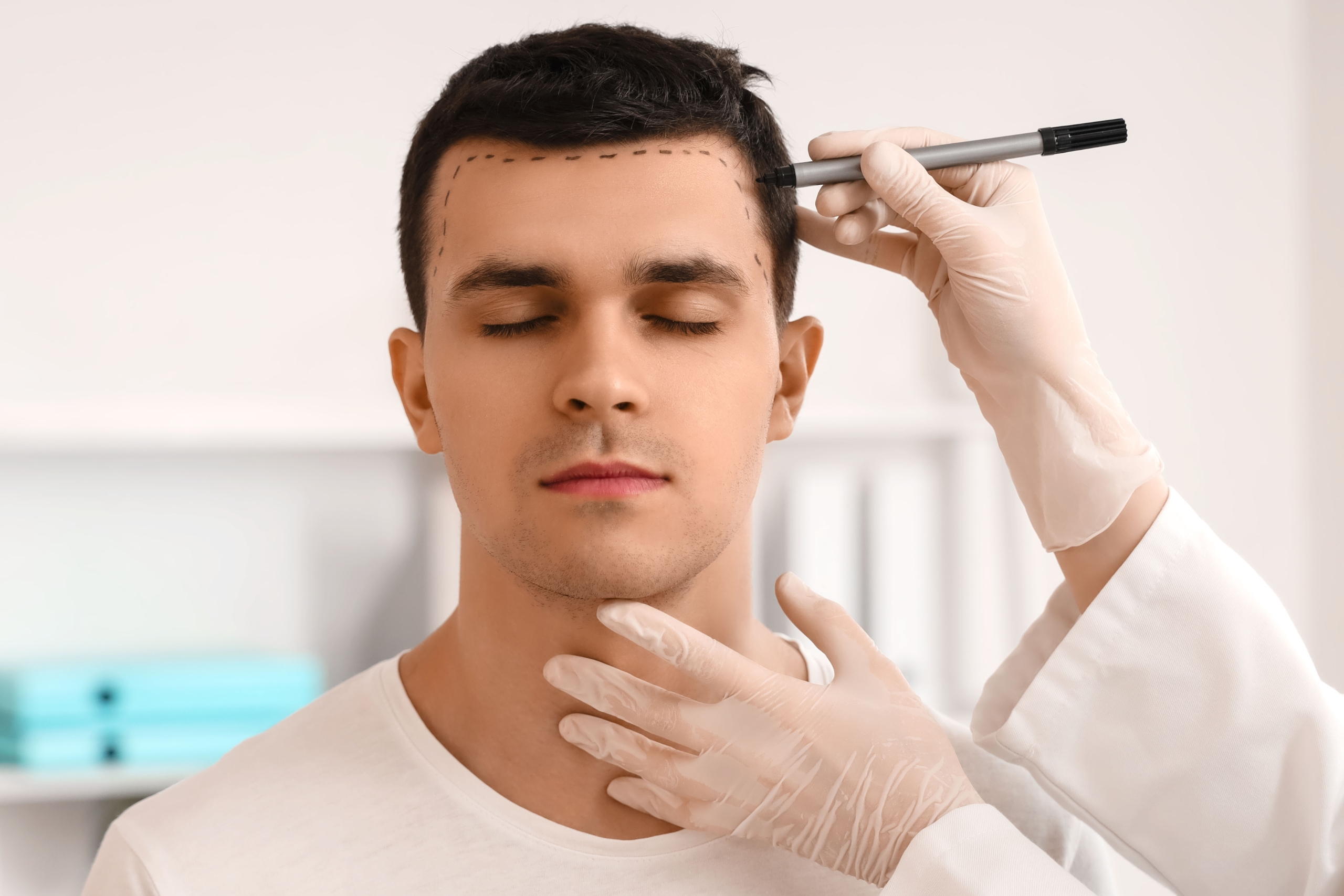
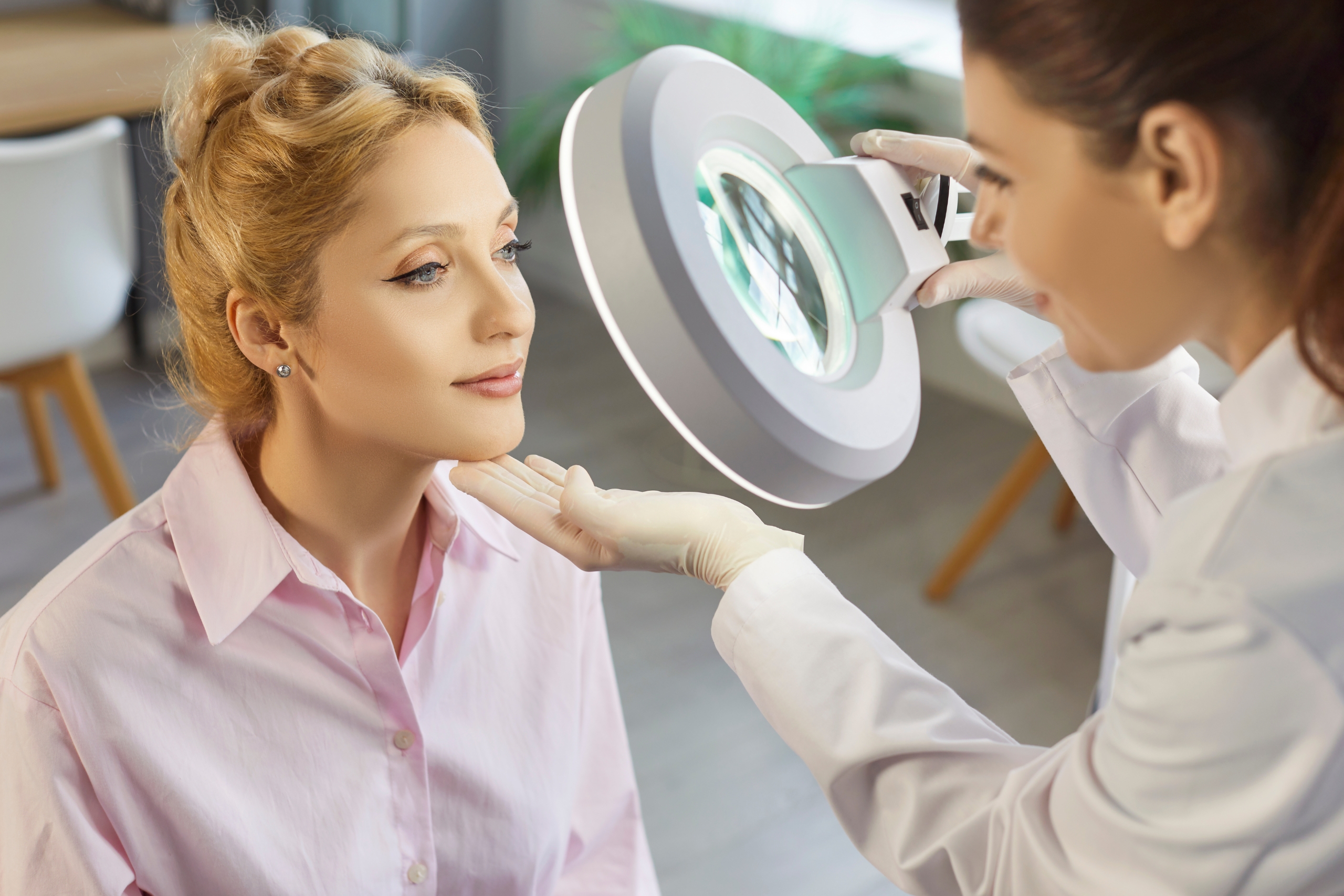
Before surgery, clinics conduct detailed scalp evaluations and medical history reviews. Hair density, donor area quality, and patient expectations are carefully assessed.
Realistic outcome discussions help align goals with achievable results.
Transparent communication reduces misunderstandings.
Proper planning strengthens procedural success.
Recovery and Aftercare
Post-procedure care significantly influences final results. Patients typically receive guidance on washing, medication, and activity limitations.
Temporary shedding may occur before new growth appears.
Following aftercare instructions supports healing and graft survival.
Recovery timelines vary by individual.
Expected Results and Long-Term Outlook
Visible results generally appear several months after the procedure. Full growth may take up to a year.
Transplanted hair behaves like natural hair and can be styled normally.
Within structured beauty and cosmetic hair restoration treatment insights, patient patience plays a key role.
Long-term maintenance may include medical therapies.
Cost Considerations in the UK
Hair transplant costs in the UK vary depending on graft numbers and clinic reputation.
While pricing may be higher than some international destinations, strict medical regulations ensure high standards.
Investing in reputable clinics prioritizes safety and quality.
Cost should be balanced with expertise and experience.
Conclusion
Successful hair transplant procedures in the UK combine advanced techniques, professional expertise, and careful aftercare to deliver natural and lasting results. Methods such as FUE and FUT provide effective solutions tailored to individual hair loss patterns, while qualified clinics ensure compliance with medical standards and safety protocols. Thorough consultations help align expectations with achievable outcomes, and diligent post-operative care enhances recovery and graft survival. Although costs may vary depending on clinic and procedure complexity, prioritizing quality and experience contributes significantly to overall satisfaction. By selecting reputable providers and understanding the treatment process, individuals can confidently pursue hair restoration with realistic expectations and long-term benefits.