Hobbies and personal interests play an essential role in maintaining balance, creativity, and overall well-being. In today’s fast-paced world, dedicating time to activities outside of work or academic responsibilities helps reduce stress and improve mental clarity. Whether someone enjoys artistic expression, physical activities, intellectual challenges, or social engagement, hobbies provide meaningful outlets for self-discovery and relaxation.
Exploring different types of hobbies allows individuals to uncover new passions and develop valuable skills. Some hobbies encourage creativity and imagination, while others promote fitness, teamwork, or strategic thinking. The diversity of available activities ensures that everyone can find something that aligns with their personality and lifestyle.
Understanding the various categories of hobbies and interests helps individuals make informed choices about how they spend their leisure time and how those activities contribute to personal growth.
Creative and Artistic Hobbies
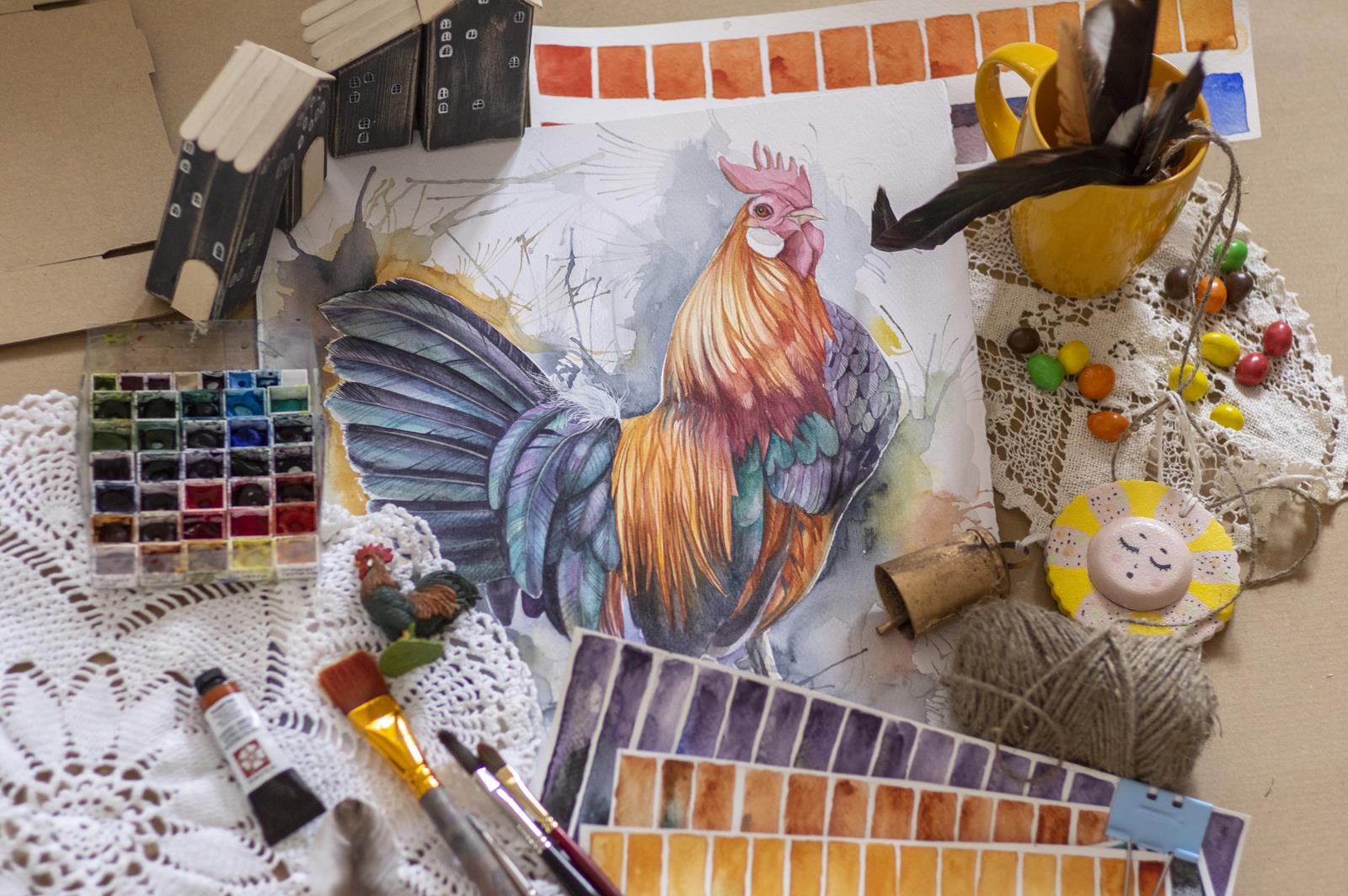
Creative hobbies allow individuals to express themselves through imagination and skill. Activities such as painting, drawing, photography, music, and writing fall into this category.
These interests foster creativity, patience, and attention to detail. Craft-based hobbies like knitting, pottery, or woodworking also provide hands-on satisfaction.
Within enriching hobbies and creative personal development activities, artistic expression enhances emotional well-being.
Creative pursuits often improve focus and self-confidence.
Physical and Outdoor Activities
Physical hobbies support health and fitness while encouraging outdoor exploration. Examples include hiking, cycling, swimming, martial arts, and team sports.
Outdoor activities connect individuals with nature and promote active lifestyles. They also encourage discipline and teamwork.
Regular physical engagement contributes to long-term wellness.
Active hobbies combine enjoyment with physical benefits.
Intellectual and Educational Interests
Some hobbies stimulate the mind and expand knowledge. Reading, learning new languages, chess, coding, and solving puzzles fall into this category.
These activities enhance critical thinking, concentration, and problem-solving skills.
Within structured personal interest exploration and lifestyle growth ideas, intellectual hobbies encourage lifelong learning.
Mental stimulation supports cognitive development.
Social and Community-Based Hobbies
Social hobbies involve interaction and collaboration. Volunteering, joining clubs, participating in community events, or engaging in group activities foster connection.
Such interests build communication skills and strengthen social networks.
Community involvement often enhances empathy and teamwork.
Shared hobbies create meaningful relationships.
Collecting and Specialty Interests
Collecting hobbies focus on acquiring and organizing specific items such as stamps, coins, action figures, or vintage memorabilia.
Specialty interests may include gaming, model building, or niche craftsmanship.
These hobbies require dedication and knowledge-building.
They often provide a sense of accomplishment and organization.
Digital and Modern Hobbies
Technology has introduced new hobby categories, including content creation, podcasting, online gaming, and digital design.
Digital hobbies can even develop into professional opportunities.
Within expanding hobbies and creative personal development activities, technology-driven interests reflect modern lifestyles.
Balancing digital engagement with other activities promotes healthy routines.
Conclusion
Exploring different types of hobbies and interests allows individuals to enrich their lives through creativity, physical activity, intellectual growth, and social engagement. From artistic pursuits and outdoor adventures to educational challenges and digital innovations, each hobby offers unique benefits that contribute to personal development. Engaging in leisure activities reduces stress, strengthens skills, and fosters meaningful connections. By identifying interests that align with personal preferences and goals, individuals can cultivate fulfilling routines that support both mental and physical well-being. Ultimately, hobbies are more than pastimes—they are valuable tools for self-expression, lifelong learning, and balanced living in an increasingly busy world.