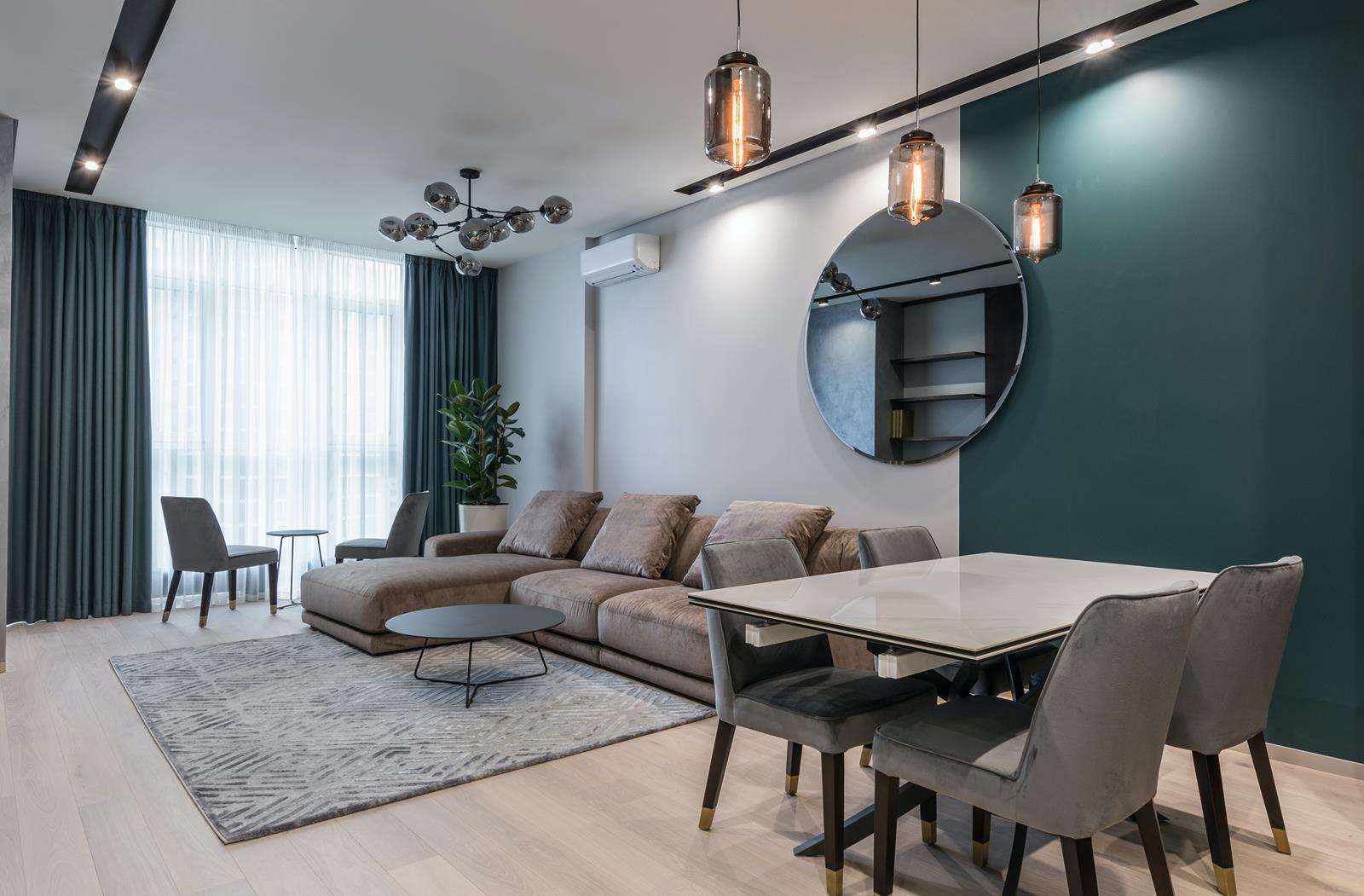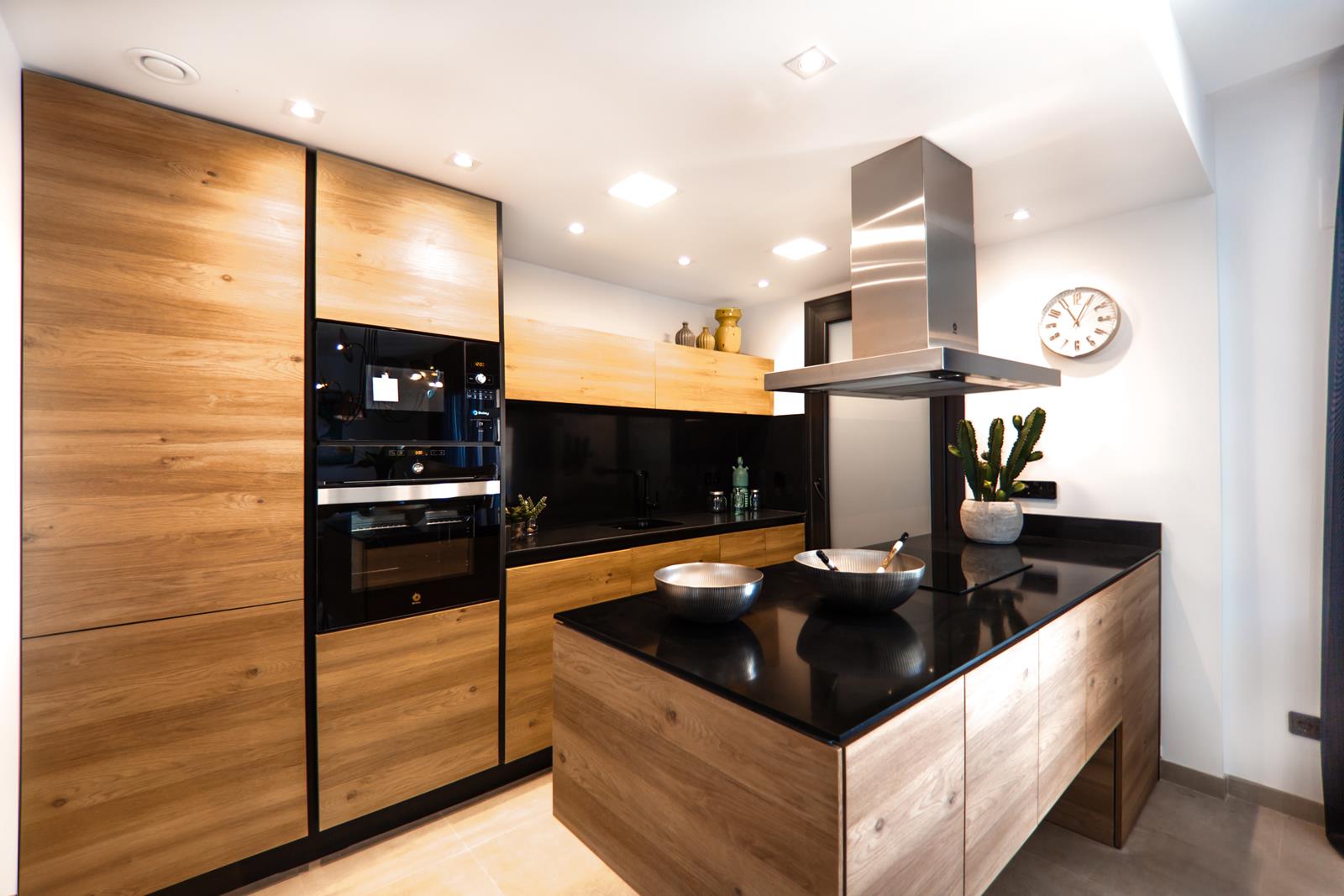
Choosing the right furniture is one of the most important steps in decorating a home. Furniture does more than fill empty spaces—it defines comfort, functionality, and overall style. The right pieces can transform a simple room into a welcoming and well-balanced living environment. However, with countless designs, materials, and layouts available, selecting furniture that truly fits your home can feel overwhelming.
Every home has unique dimensions, lighting conditions, and lifestyle needs. A growing family may prioritize durability and storage, while a minimalist homeowner may focus on clean lines and space-saving designs. Beyond aesthetics, furniture must support daily routines and long-term use.
Understanding how to evaluate space, style preferences, materials, and quality ensures that each furniture choice enhances both visual appeal and practicality. Thoughtful selection leads to cohesive and comfortable interiors that reflect personal taste.
Understand Your Space and Layout
Before purchasing furniture, evaluating room dimensions and layout is essential. Measuring floor space prevents overcrowding and ensures proper movement flow.
Large furniture pieces may overwhelm smaller rooms, while undersized items can leave spaces feeling incomplete. Creating a floor plan helps visualize placement.
Within practical furniture selection and interior home styling strategies, understanding spatial balance improves overall design harmony.
Proper spacing enhances both comfort and functionality.
Define Your Interior Design Style
Identifying a preferred style simplifies decision-making. Whether modern, traditional, rustic, or contemporary, a clear design direction ensures consistency.
Color schemes, textures, and shapes should complement the home’s architecture and décor.
Mixing styles can work when done intentionally, but cohesion remains important.
Clear stylistic choices prevent mismatched aesthetics.
Prioritize Comfort and Functionality
While visual appeal matters, comfort and usability are equally critical. Sofas, chairs, and beds should provide proper support and durability.
Storage solutions such as cabinets and shelves enhance organization without sacrificing style.
Within balanced home décor and long-lasting furniture investment insights, functionality ensures furniture serves practical needs.
Testing pieces before purchase improves satisfaction.
Choose Quality Materials
Material selection influences durability and maintenance requirements. Solid wood, metal frames, and high-quality upholstery often provide longer lifespan.
Understanding material care requirements prevents premature wear and tear.
Investing in quality reduces replacement frequency.
Durable furniture offers long-term value.
Consider Color and Lighting
Furniture colors should harmonize with wall tones and natural lighting. Light-colored pieces can brighten smaller spaces, while darker tones add depth.
Natural light exposure may influence fabric fading over time.
Balancing color contrast enhances visual appeal.
Thoughtful coordination strengthens room atmosphere.
Plan for Long-Term Flexibility
Lifestyle changes may require adaptable furniture. Modular sofas, expandable dining tables, and multifunctional pieces offer flexibility.
Choosing timeless designs ensures longevity beyond short-term trends.
Within strategic furniture selection and interior home styling strategies, adaptability supports evolving household needs.
Versatile pieces maximize investment value.
Conclusion
Choosing the right furniture to decorate your home requires careful consideration of space, style, comfort, material quality, and long-term functionality. By understanding room dimensions and defining a cohesive design direction, homeowners can create balanced and inviting interiors. Prioritizing comfort ensures that furniture supports daily living, while selecting durable materials enhances longevity and value. Coordinating colors with lighting conditions further refines the overall aesthetic. Flexible and adaptable pieces provide lasting practicality as lifestyle needs evolve. Thoughtful furniture selection ultimately transforms living spaces into environments that are both visually appealing and highly functional, reflecting personal taste while maintaining everyday comfort.