When building a resume, most candidates focus heavily on work experience, education, and technical skills. While these sections are essential, many overlook the value of including hobbies and personal interests. A well-crafted hobbies section can provide employers with deeper insight into a candidate’s personality, soft skills, and cultural fit within an organization.
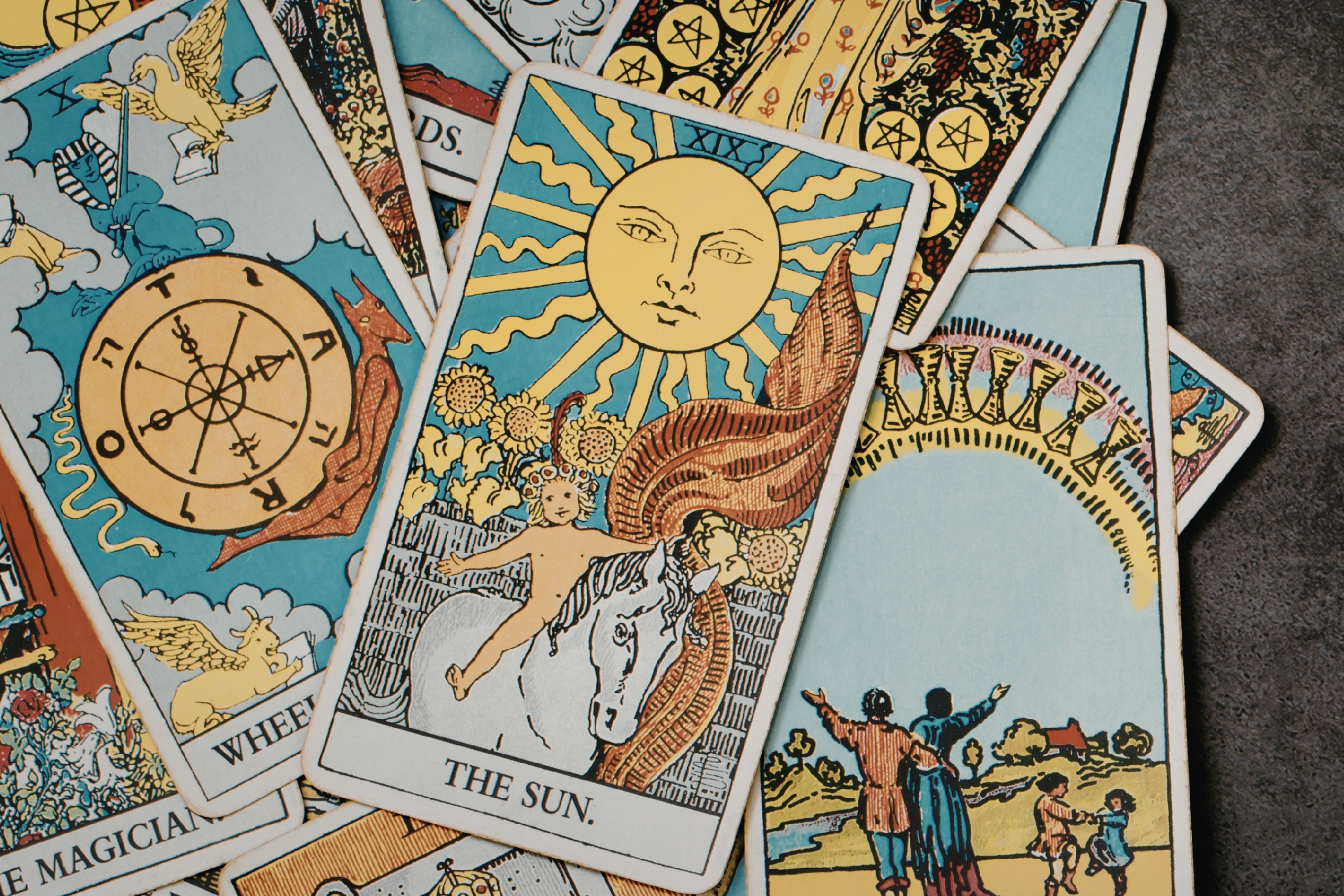
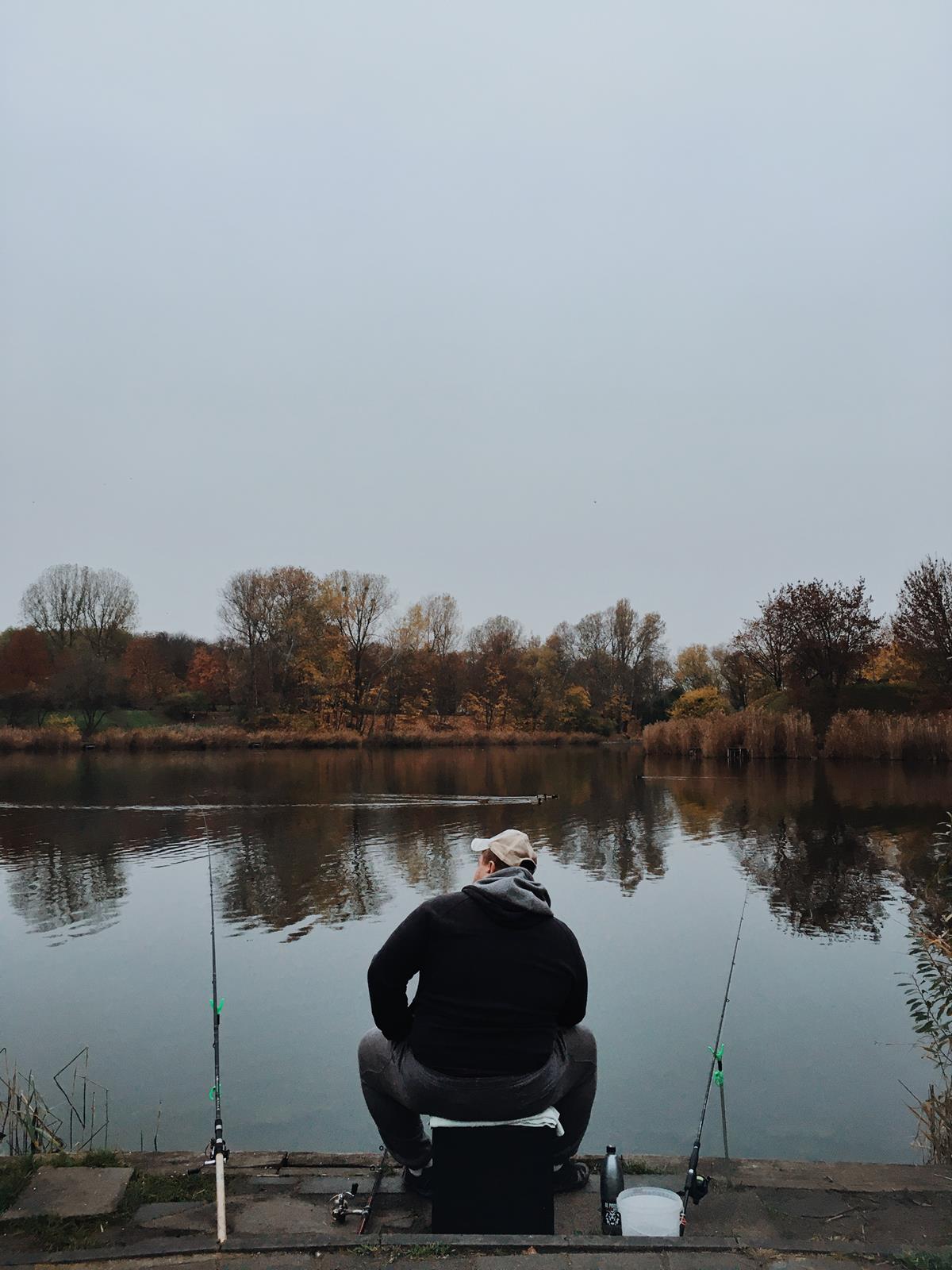
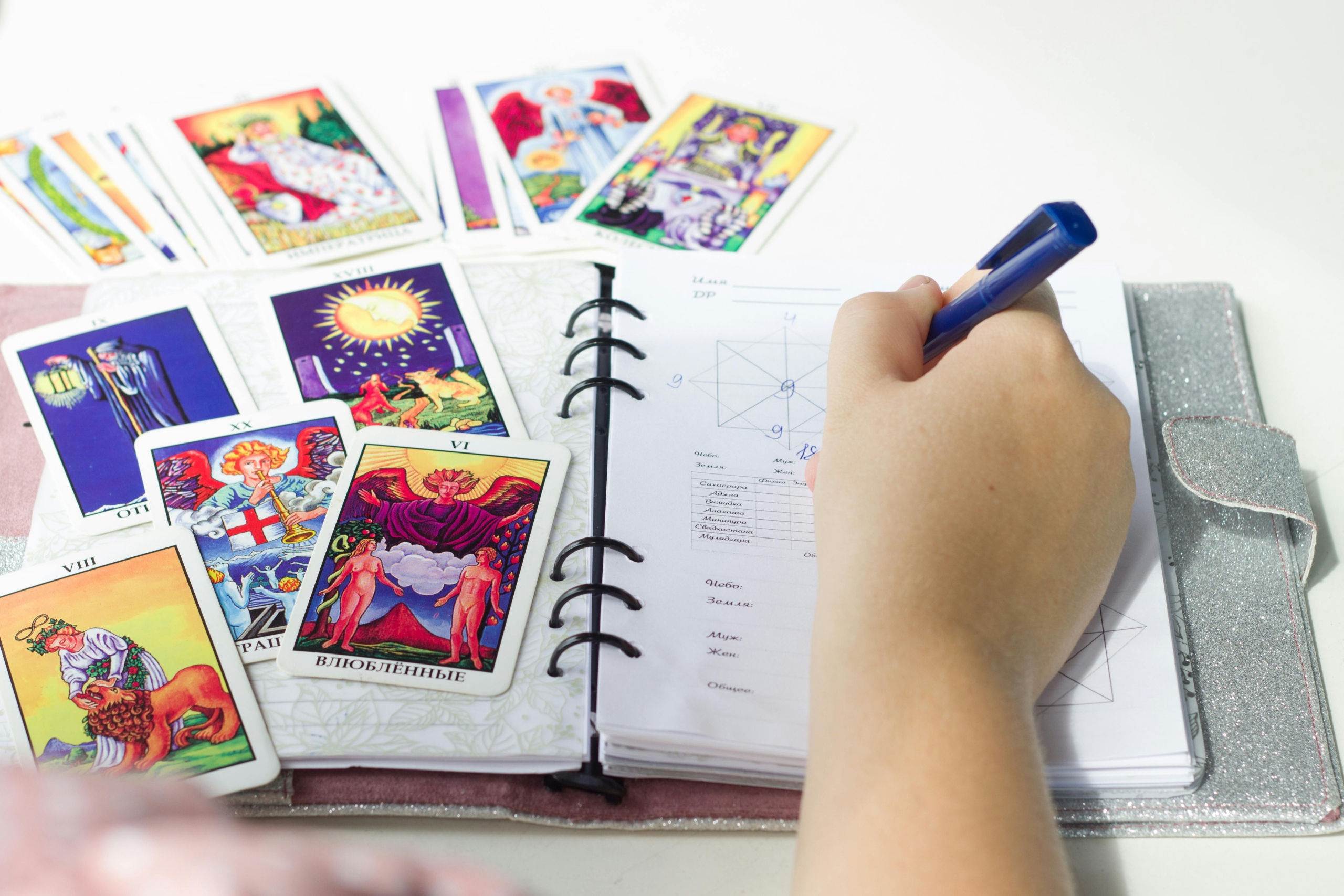
Hobbies reveal qualities that may not be immediately visible through job titles alone. Whether it’s team sports, creative arts, volunteering, or strategic gaming, personal interests can demonstrate leadership, discipline, creativity, or collaboration. In competitive job markets, even small details can help a candidate stand out.
Understanding why a hobbies section matters—and how to present it effectively—can strengthen a resume and leave a lasting impression on hiring managers.
Showcasing Soft Skills Beyond Work Experience
Employers value soft skills such as teamwork, communication, and time management. Certain hobbies naturally demonstrate these qualities.
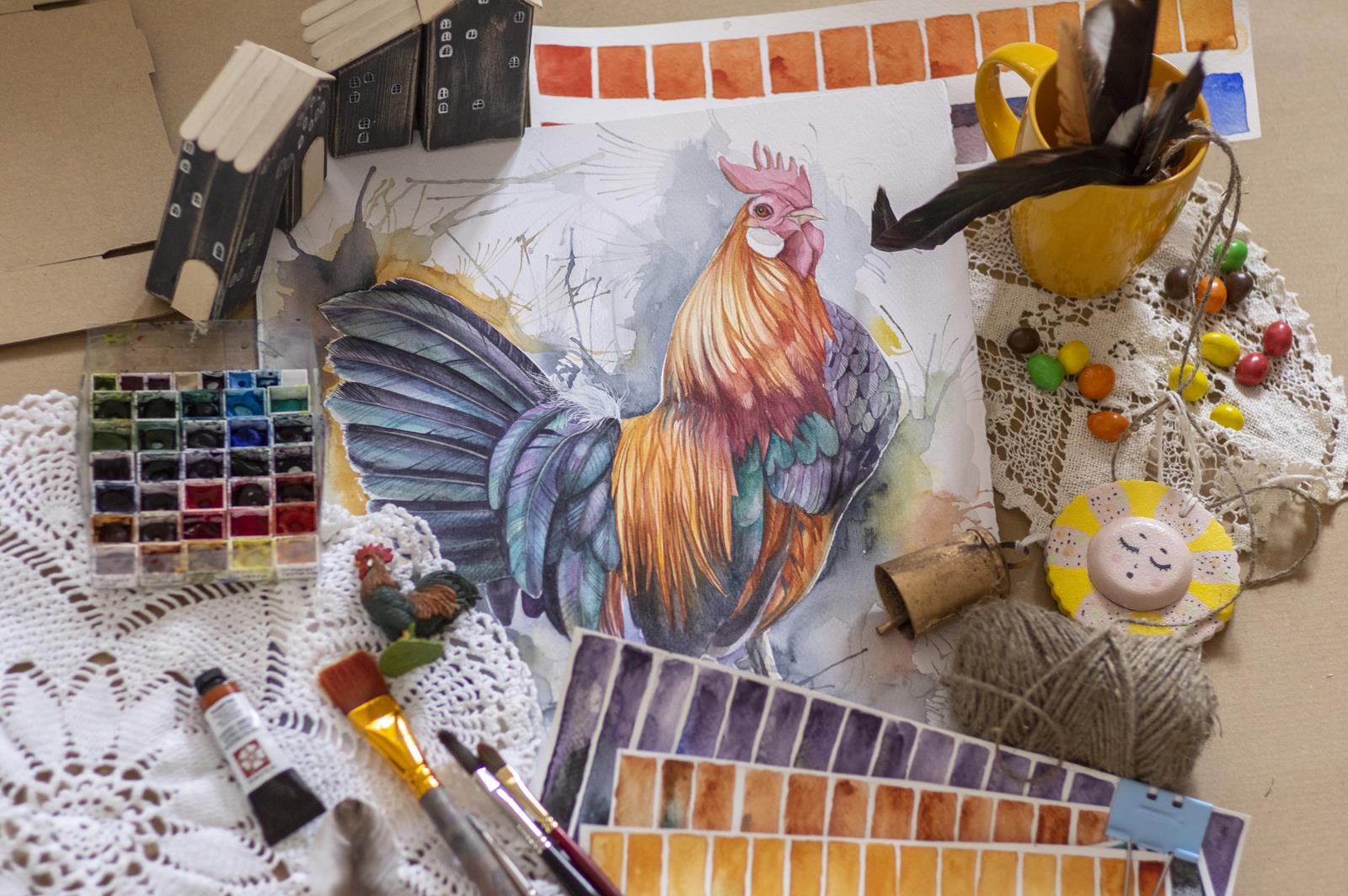
For example, participating in team sports highlights collaboration and leadership. Creative hobbies may reflect innovation and problem-solving.
Within practical hobbies and personal development resume enhancement strategies, personal interests complement professional qualifications.
They provide context beyond formal job roles.
Demonstrating Cultural Fit
Companies often seek candidates who align with workplace culture. Shared interests can create connections during interviews.
Hobbies such as volunteering or community involvement may signal strong values and social responsibility.
Recruiters sometimes use hobbies to gauge personality and adaptability.
Cultural alignment enhances long-term job satisfaction.
Highlighting Transferable Skills
Some hobbies directly translate into workplace skills. Blogging demonstrates communication abilities, while coding projects show technical initiative.
Organizing events reflects project management experience.
Within structured career branding and professional growth insights, transferable skills add depth to a resume.
They illustrate proactive personal development.
Making Your Resume Memorable
Hiring managers review numerous resumes daily. A thoughtful hobbies section can make an application more distinctive.
Unique but relevant interests may spark conversation during interviews.
Personal details humanize candidates beyond qualifications.
Memorability can influence hiring decisions positively.
When to Include a Hobbies Section
A hobbies section is particularly useful for recent graduates or candidates with limited work experience. It helps fill gaps while showcasing personality.
However, hobbies should remain relevant and professional. Avoid controversial or overly personal topics.
Within balanced hobbies and personal development resume enhancement strategies, moderation ensures professionalism.
Strategic placement maintains clarity.
How to Present Hobbies Effectively
Keep descriptions concise and purposeful. Instead of listing generic activities, specify meaningful involvement.
For example, “Captain of local basketball team” communicates more than simply “Basketball.”
Selecting two to four strong examples is sufficient.
Clear presentation maintains resume professionalism.
Conclusion
Adding a hobbies section to a resume can strengthen a candidate’s professional profile by highlighting soft skills, cultural fit, and transferable abilities that may not appear in traditional work experience sections. When presented thoughtfully, hobbies provide insight into personality, leadership qualities, creativity, and initiative. They can make resumes more memorable and encourage meaningful conversations during interviews. However, relevance and professionalism remain essential—carefully selected interests that align with career goals create the most positive impact. By integrating hobbies strategically, candidates can present a more complete and compelling picture of themselves, enhancing their chances of standing out in competitive job markets.